
Polish Identity on the Global Fashion Stage
Nowadays fashion is often perceived as ephemeral; trends have a lifecycle of merely a few weeks and aesthetics change every season.
Nowadays fashion is often perceived as ephemeral; trends have a lifecycle of merely a few weeks and aesthetics change every season. It is easy to forget that fashion is still rooted in cultural notions. Clothing and accessories carry memory, history, and identity, showcasing the stories of societies through form and texture. Fashion turns into a language, which designers apply when manufacturing new visuals by taking from national heritage, local craft traditions and collective memory, such as from richly embroidered garments, colourful skirts, and floral headscarves. Due to a distinctive aesthetic emerging from a combination of Central European history, contemporary reinterpretation of folk traditions, and local craftsmanship, Polish designers achieved recognition all around the globe. Contemporary fashion rarely replicates these costumes, but applies parts of these in modern collections by using traditional embroidery patterns and lacework, showing that designers constantly look for authenticity and narratives in an industry saturated with trends.
History of Polish Fashion
The roots of the Polish fashion industry are closely related with its complex history; for centuries, Poland was at the crossroads of European cultural influences, from Western European aristocratic fashion to Eastern and Ottoman decorative traditions. The famous ‘Sarmatian’ style of the Polish nobility, which emerged in the seventeenth century, defined by long elaborate robes and decorative belts, underlined this mix of East and West. The partitions of Poland in the late eighteenth century and the loss of political independence transformed clothing into a subtle marker of national identity, making dress and folk motifs gain symbolic importance as expressions of cultural continuity in the absence of a sovereign state. In the twentieth century fashion was largely centralised and restricted by communism, but despite these limitations, Polish designers managed to develop clothing focused on quality. The economic and political transformation of 1989 changed Poland’s fashion industry rapidly, through the emergence of independent designers, opening of markets, and the integration of Poland into global cultural networks developed the contemporary Polish fashion scene.
Folk Motifs in Contemporary Fashion
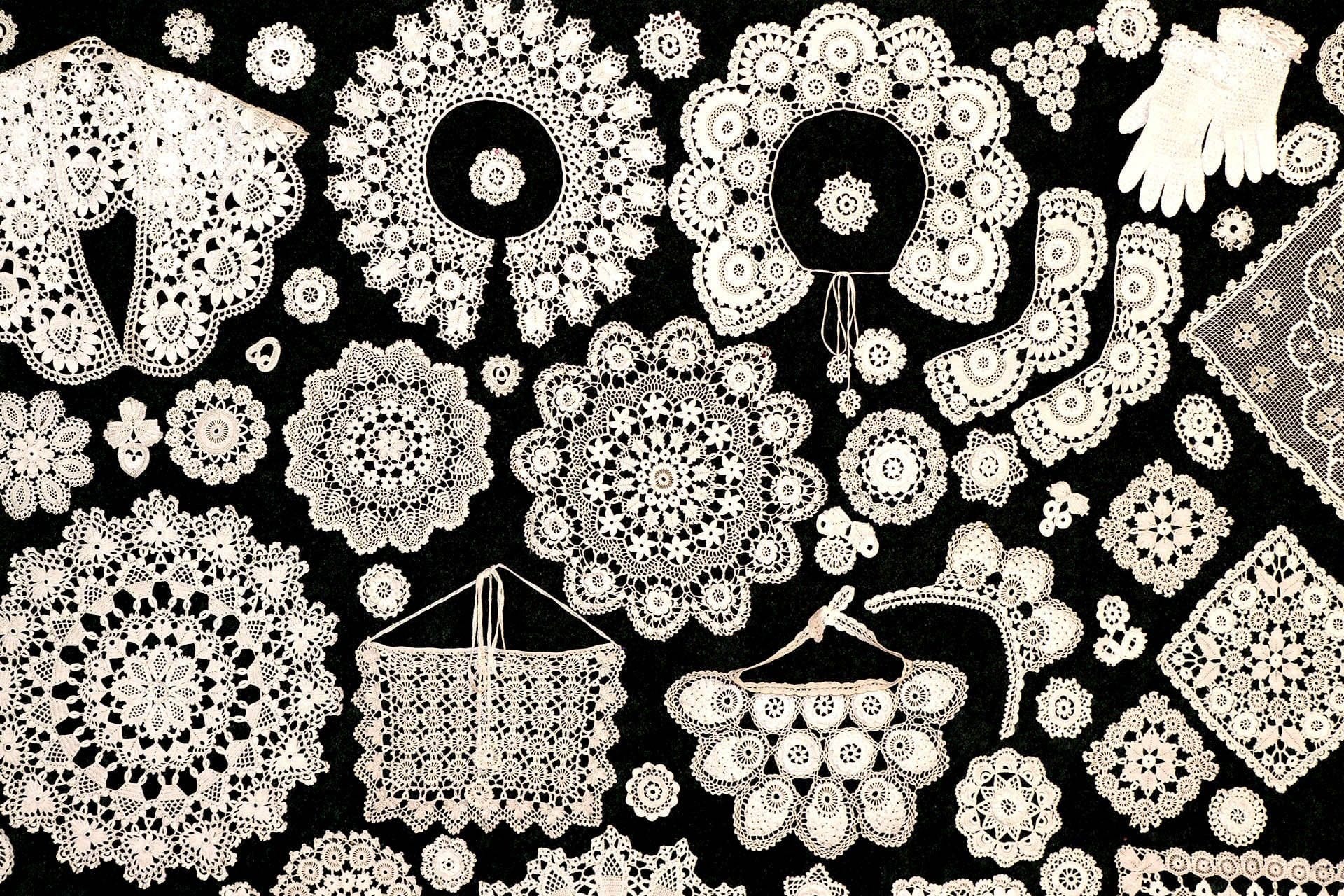
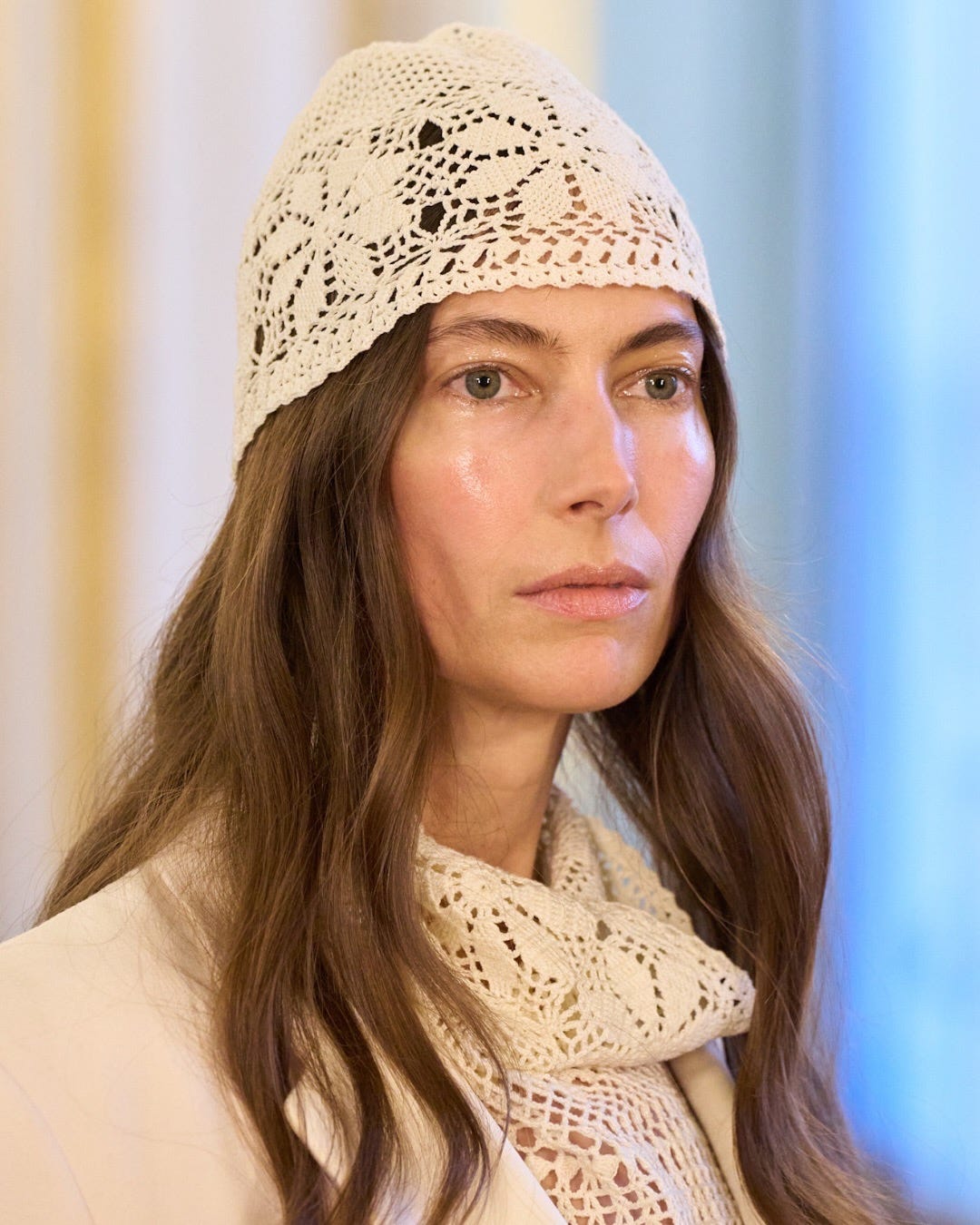
The creative reinterpretation of folk traditions of Polish fashion, particularly the application of embroidery, lacework, and textile crafts that have been preserved for ages across many generations, is one of the biggest practices distinguishing Polish fashion from others. One of the most prominent examples is Koniaków village’s lacework tradition, crocheted lace pieces inspired by nature, which has gained global recognition, particularly at the Paris Fashion Week, where it was incorporated as part of high-fashion garments. The main appeal of such traditions lies in their authenticity and uniqueness, as each original piece represents hours of manual labor and creativity, and therefore changes clothes into cultural pieces rather than trendy outfits. Designers recognise the value of these traditional pieces and incorporate some elements, such as floral embroidery or lace, into modern designs, creating garments that evoke modern aesthetics and their identity.
Polish designers and models
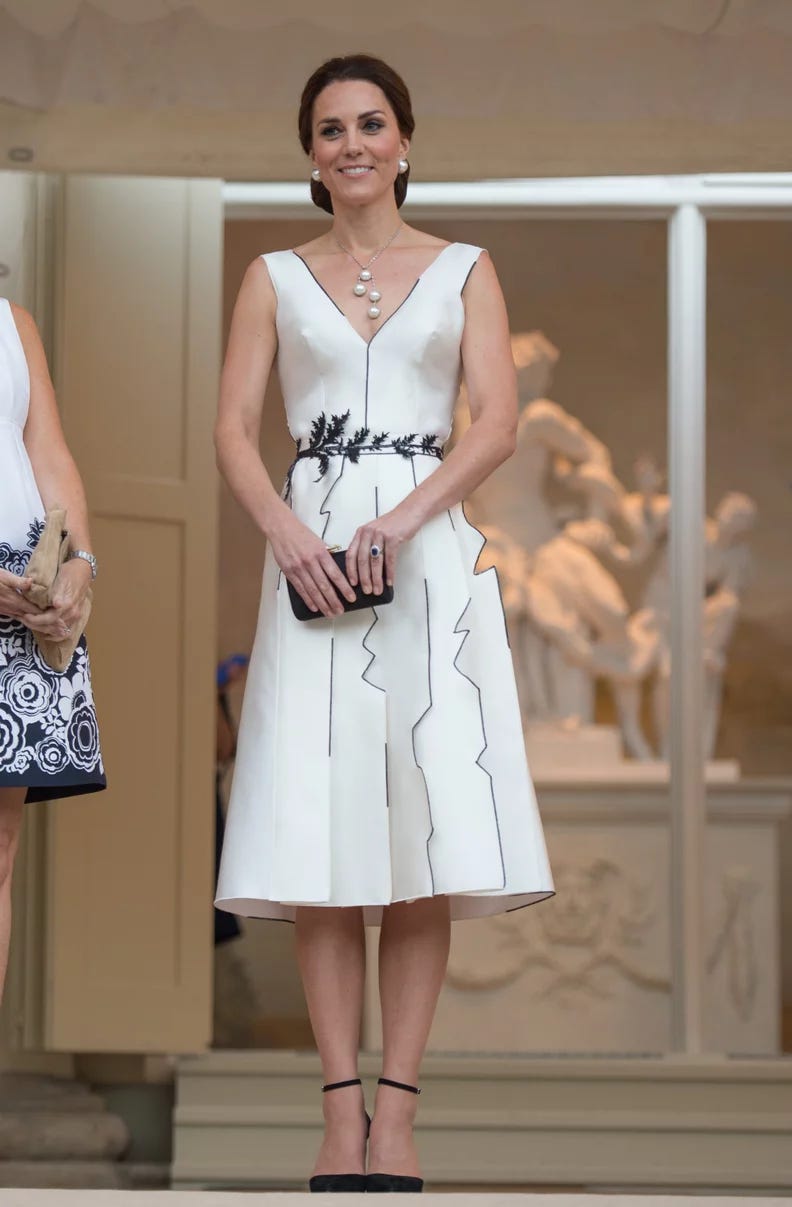
What often distinguishes Polish designers is their emphasis on local history, nature, and culture, like Magda Butrym, one of the most famous Polish designers globally, whose work incorporates Slavic romanticism through floral applications and soft nature-inspired silhouettes. Even her 2026 Fall/Winter Collection presented this March during Paris Fashion Week was inspired by the harshness of Polish winters, underlining her connection to Poland. Another designer, whose work reflects Polish and broader Eastern European identity, is Gosia Baczyńska. Her designs have been worn by many celebrities, even by the Princess of Wales herself. One of her most interesting collections - ‘Eastern Europe Goes Wild - Wild West’ - showcases the hybrid of Western ‘cowboy’ motifs, such as bandanas, feathers, fringes, and saloon-inspired outfits, and Eastern European clothing, like layered skirts and headscarves. By transforming symbols often associated with marginalised or kitsch Eastern European style into high fashion, Baczyńska reclaims a confident Polish identity on the global fashion stage.
Furthermore, Polish models have also shaped Polish fashion imagery over the past two decades. The most recognisable figure, Anja Rubik, is one of the most prominent supermodels of the early two thousands. She has appeared on the covers of major fashion magazines and walked the runaways of leading fashion houses, such as Versace, Saint Laurent, or Gucci. Her success opened the door for other Polish models to gain international recognition, for instance for Joanna Borov, who combines runway successes with beauty pageants. She represented Poland in the World Beauty Queen Pageant in South Korea and appeared in many editorial campaigns and magazines. Joanna Krupa also has been crucial in raising Poland’s profile in the modeling world. After she moved to the United States, she became internationally known through runway shows, campaigns, and television appearances, including being the star in The Real Housewives of Miami and being a judge on Dancing with the Stars. She also actively promotes Polish fashion and culture abroad, often underlining her Polish roots in interviews. The prominence of Polish models show that Polish modeling agencies are more than capable of launching international careers and that the Polish models’ characteristic for Eastern Europe, strong facial features are appreciated on the global fashion stage.
Fashion turns into a language, which designers apply when manufacturing new visuals by taking from national heritage, local craft traditions and collective memory.
Poland’s Fashion Industry
Many independent labels, such as Magda Butrym, Poca & Poca, or La Mania support the growth of fashion in both the economic and cultural sectors by gaining international recognition for their craftsmanship and designs, increasing the presence of Polish brands in global markets, showing the industry’s growth and competitiveness. Similarly, exhibitions, international shows, and other fashion events, such as the newly established Warsaw Fashion Week, are equally important in showcasing Polish fashion, as they create opportunities for designers to present their work to global audiences.
Growing visibility of Polish fashion raises a question of what defines the ‘Polish’ style. Contrastingly to fashion capitals, such as London, Paris or Milan, Poland does not have a single dominant stylistic tradition. Rather, it is a hybrid of historical influences and modern experimentation, suggesting that Polish fashion may one day develop a recognisable style that has not yet been promoted before. Global fashion is searching for authenticity and Poland’s rich cultural traditions could prove increasingly influential. The future of Polish fashion may lie not in imitating global trends, but in reinterpretation of its own cultural heritage. Fashion after all is never only about clothing.
The future of Polish fashion may lie not in imitating global trends, but in reinterpretation of its own cultural heritage.
by Karolina Dąbrowska