
Poland’s Texan Gambit: Why Warsaw Is Betting It All On Washington?
Warsaw has long been described as “Washington’s favorite ally” in Europe, but usually in the tone one uses for a helpful, if slightly over-eager, younger cousin.
Warsaw has long been described as “Washington’s favorite ally” in Europe, but usually in the tone one uses for a helpful, if slightly over-eager, younger cousin. However, when Karol Nawrocki, Poland’s president, took the stage at the CPAC conference in Dallas on March 28th, the undisputed crown jewel of the American conservative calendar, the message was no longer one of a supplicant. Clad in the quiet confidence of a man whose country spends nearly 5% of its GDP on defense—the highest ratio in NATO—President Nawrocki presented Poland not as a buffer zone, but rather as a regional pivot.
The choice of venue was anything but accidental. Dallas, the heart of Texas, the ultimate “red state” bastion, and the city where the liberal dream of JFK (John F. Kennedy) was tragically cut short, served as a potent backdrop. Here, in a place that breathes American conservatism, Nawrocki’s rhetoric on “traditional values,” open borders, and the “risky” energy transition of the EU found its natural resonance. The optics were surgically precise. Before arriving at the conference, the President visited Lockheed Martin’s facility in nearby Fort Worth to sign his name on a freshly minted F-35 fighter jet. It was a symbolic gesture, yet the underlying arithmetic is stark. While Berlin and Paris still bicker over fiscal rules, Warsaw is busy writing checks. In 2026, Poland’s defense budget will reach nearly $50bn, transforming the country from a recipient of surplus gear into a cornerstone client for the American military-industrial complex.
Critics might argue that this performance was primarily a carefully scripted narrative designed to satisfy the conservative base of the Law and Justice (PiS) party and bolster Nawrocki’s own campaign. Yet, for the cynical investor, the ideological fire looks like a calculated hedge. By aligning himself so tightly with the American right, Nawrocki might be attempting to insulate Poland from any potential “America First” isolationism. It might be an effort to ensure that if the political winds in Washington shift further towards the right, Poland remains the only ally the U.S. cannot afford to ignore.
Yet, this Texan gambit carries profound risks. A dismissive tone toward Brussels on energy and migration may please a crowd in Grapevine, Texas, but it risks further alienating Poland from its largest trading partner: the European Union. Poland’s economy remains a “high-beta” version of Germany’s; its prosperity is inextricably linked to the single market. If Warsaw bets its entire strategic future on a security pact with Washington while picking fights with Brussels, it may find that an F-35 is an expensive tool for fixing a broken relationship with its neighbors.
For now, the markets remain sanguine. The Polish zloty has held steady, buoyed by the “security premium” of being the West’s frontier fortress. But as Mr. Nawrocki flies back to Warsaw, the question remains: is this a genuine ideological crusade, a clever tactical play to “game” the Americans, or a dangerous blurring of party interests with state strategy? The bill for the F-35s is paid, but the political cost of the Dallas speech is still being calculated.
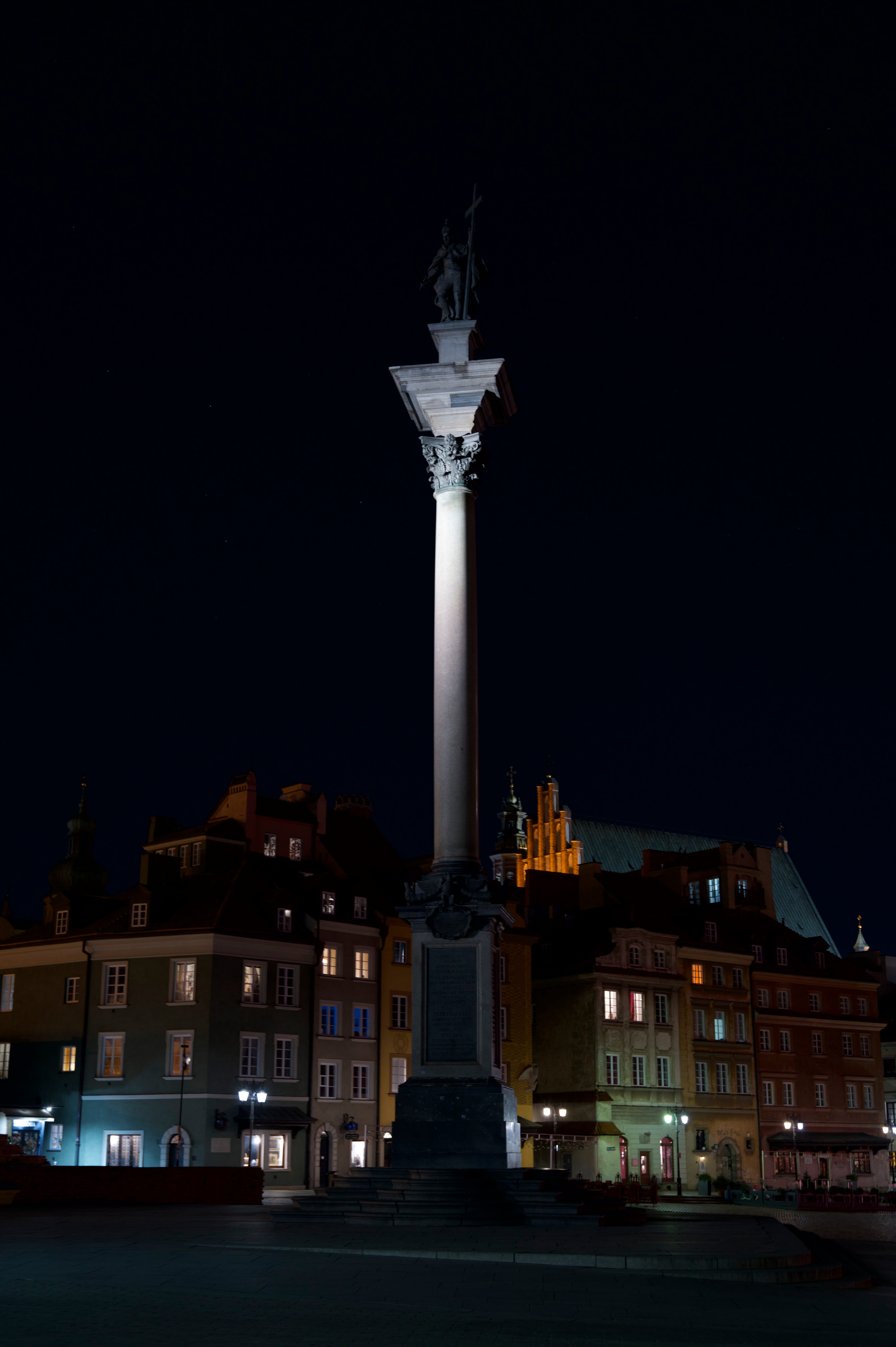
by Jakub Fryderyk Dinh